Sulfur Dioxide in Dried Fruit: Why It Matters and What to Buy Instead
Many dried fruits are treated with sulfur dioxide to keep their bright color. Here is why it matters, how to spot it on a label, and how to dry your own.
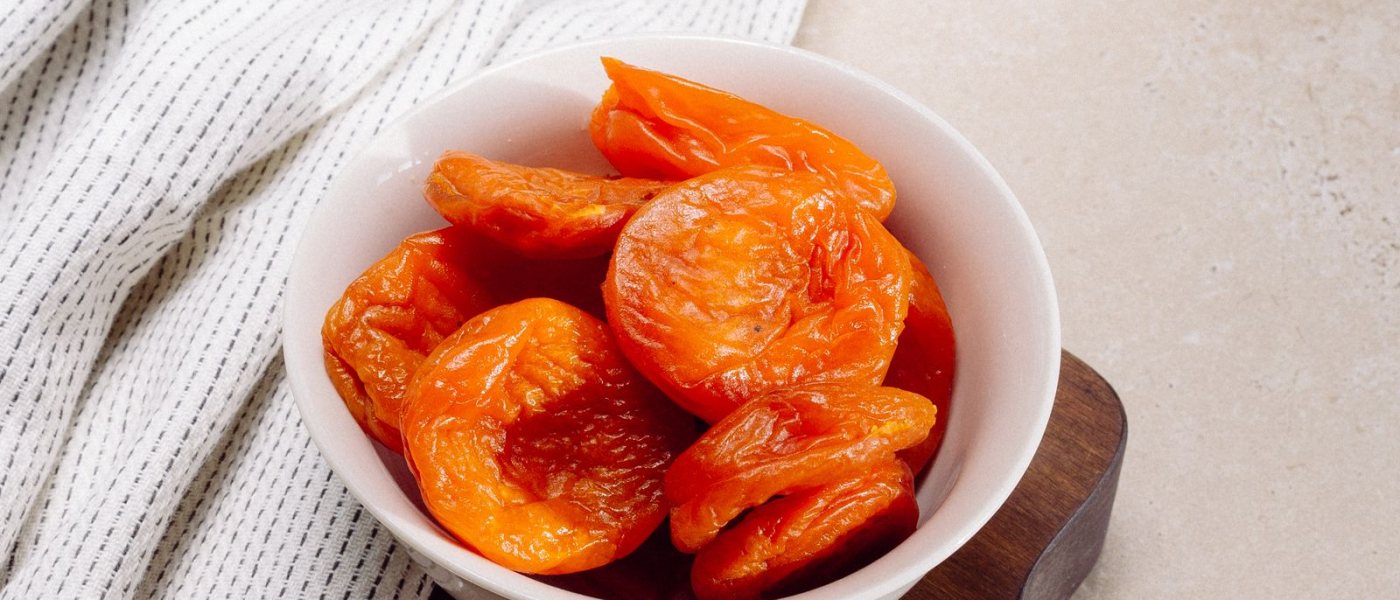
Dried apricots are supposed to be dark and chewy, like a bit of leather with a sweet tart bite. The bright orange ones in the bulk bin got that color somewhere else. Many commercial dried fruits are treated with sulfur dioxide, a preservative that keeps the color vivid and the fruit from browning on the shelf. Paul and Patricia Bragg warned their readers about it decades ago, and the advice holds up well today.
What the Braggs Said
In The Miracle of Fasting, the Braggs list "dried fruits containing sulphur dioxide" among the foods to avoid. They built their whole approach on simple, whole foods, which is a big reason the warning sits there beside refined sugar and white flour. We covered the rest of their story in our post on the life and legacy of Paul Bragg.
What Sulfur Dioxide Does to Dried Fruit
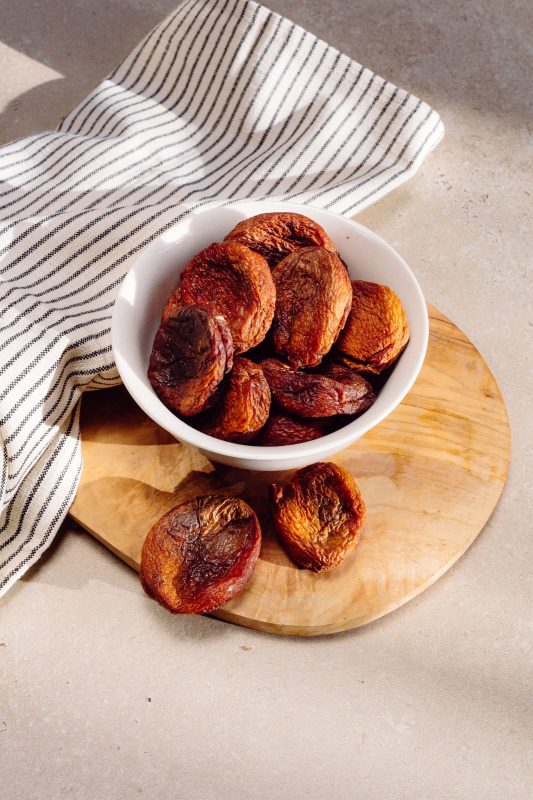
Sulfur dioxide is used to prevent browning, protect color, and help the fruit last longer. Untreated dried fruit is simply darker. Apricots turn brown, light raisins turn deep amber, and pears turn the color of tea. The flavor is often richer too, but the dark look puts off many shoppers, so producers treat the fruit to keep it bright.
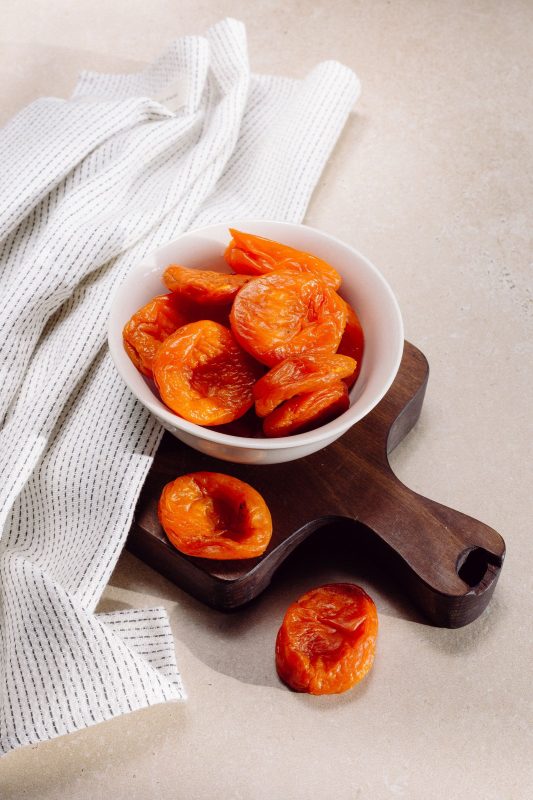
Bright orange fruit like the first bowl below is often sulfured. Dark, deeply colored fruit like the second is what plain drying looks like.
The Health Concern: Asthma and Sulfite Sensitivity
The concern with sulfites is not about long-term nutrition. It is about sensitivity. Utah State University Extension warns that sensitive people with asthma should avoid sulfur and bisulfite compounds, which can trigger an asthma attack in some of them. The University of Nebraska's Food Allergy Research and Resource Program explains that FDA banned sulfites on fresh fruits and vegetables served raw in 1986, after sulfite-induced asthma was tied to salad bars. The same page notes that FDA is aware of deaths among sulfite-sensitive asthmatics.
Most people eat sulfited dried fruit without trouble. But if you or someone in your family has asthma, or you simply prefer to avoid additives, it is easy to skip.
How to Spot It on the Label
Under FDA rules, sulfites must be declared when the finished food contains 10 parts per million or more, including when they arrive through an ingredient such as dried fruit pieces. Look for these names in the ingredient list:
- Sulfur dioxide
- Sodium sulfite
- Sodium bisulfite
- Sodium metabisulfite
- Potassium metabisulfite
- Potassium bisulfite
Fruit labeled "unsulfured" or "no sulfites added" is the better choice. Dark apricots, tan raisins, and brownish mango are a good sign, not a flaw. Dried fruit with a candy-bright color deserves a second look at the ingredient list.
The store-brand angle matters here too. Aldi's list of restricted ingredients includes potassium metabisulphite and potassium bisulfite, but it does not name sulfur dioxide or sodium metabisulfite. We went through the full list in our post on Aldi's ingredient promise, so check the dried fruit label even when you shop there.
Better Options: Organic or Homemade
Two easy routes avoid the issue. The first is to buy organic dried fruit. Under USDA organic rules, sulfur dioxide is generally not permitted in organic dried fruit, though the label is still the final word. The second is to dry your own fruit. A home dehydrator costs less than most people expect, and the fruit you dry in it tastes like fruit.
Dry Your Own Without Sulfites
Fresh fruit browns once the flesh is cut and exposed to air. You can slow that without sulfites. Utah State University Extension lists two safe pretreatments:
- Lemon, lime, orange, grapefruit, or pineapple juice. Soak the slices for 3 to 5 minutes. Reuse the juice no more than twice.
- Pure ascorbic acid (vitamin C powder). Mix 2½ teaspoons per cup of water for apples, or 1 teaspoon per cup for peaches, apricots, and pears.
Drain the fruit, spread it in a single layer on the trays and follow the temperature and time guidance in your dehydrator's manual. Fruit pretreated this way may still darken a little, and that is fine. It is a sign nothing artificial is holding the color in place.
The Bottom Line
Bright orange apricots look appealing, but the color comes at a price. Read the label, choose unsulfured or organic fruit, or make your own. That is a simple change the Braggs would have approved, and one that is worth making if anyone in your house has asthma.
Photos from Pexels.