Where Did Florida's Oranges Go? Citrus Greening Explained
Florida's orange crop is down about 95 percent. Learn what citrus greening is, why groves closed, what is being done, and how you can help.

Florida's orange crop has shrunk by about 95 percent over the past two decades, and a bacterial disease called citrus greening is the main reason. At its peak, around 2004, Florida produced more than 242 million boxes of oranges, according to the USDA. Today the crop is around 12 million boxes. That collapse explains why so many groves have closed, why some orange juice brands now list oranges from other countries on the label, and why scientists, growers, and homeowners are working hard to bring Florida citrus back. Here is the full story, what is being done, and how you can help.
How Much Has Florida's Orange Crop Shrunk?
Florida's orange crop has fallen from 242 million boxes in the 2003-04 season to around 12 million boxes today. The USDA's 2004 citrus report gives the 242 million figure for all Florida oranges that season, up 19 percent from the year before. Spectrum News describes that as a 95 percent reduction in the orange crop, and it quotes Michael Rogers, a University of Florida citrus researcher, on the cause. The final federal forecast for the 2025-26 season, reported by Citrus Industry magazine, came in at 12.92 million boxes of oranges, up 6 percent from the spring estimate.
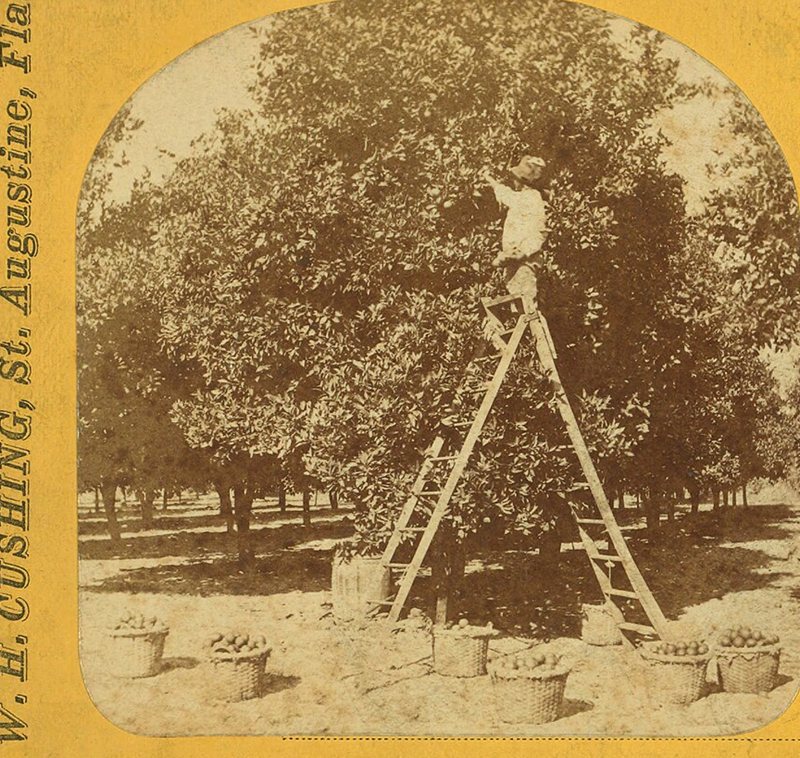
The land has shrunk too. News Service of Florida, in a report carried by WLRN, lists Florida's orange acreage as 665,529 acres in 2000-01 and 183,860 acres entering the 2025-26 season.
Where Have Florida's Citrus Groves Gone?
Florida's citrus groves have shrunk the most in the southern and coastal counties, and what remains is concentrated in a few central counties. In the 2000 inventory, Florida had 832,275 acres of citrus, and in USDA's August 2026 citrus inventory the total is 165,359 acres. The two maps below shade each county by its acres of citrus groves and use the same colors, so you can compare them. Hover over or tap a county to see its acreage in both years.
- None reported
- Under 1,000 acres
- 1,000 to 4,999
- 5,000 to 19,999
- 20,000 to 49,999
- 50,000 or more
- Not reported separately
Each county is shaded by the acres of commercial citrus groves, including oranges, grapefruit, tangerines, and specialty fruit, counted in the U.S. Department of Agriculture’s survey of Florida citrus trees. Both maps use the same shading, so they can be compared. Counties that the survey no longer lists had no commercial citrus to report in 2026. Citrus, Hernando, and Putnam counties are grouped with other small counties in the 2026 report, so they are not shaded. Data: USDA National Agricultural Statistics Service, Florida Commercial Citrus Inventory, 2000 report and August 2026 preliminary report. Basemap: OpenFreeMap, © OpenStreetMap contributors.
The change is stark in the counties that once led the state. Hendry County had 99,437 acres of citrus in 2000 and 9,173 in 2026. St. Lucie County fell from 98,899 acres to 12,741, and Indian River County from 60,293 to 6,135. Martin and Palm Beach counties, which had 44,746 and 10,090 acres in 2000, are no longer listed in the USDA's county table. Polk County, the state's top citrus county in both years, went from 101,484 acres to 37,529, and Highlands, DeSoto, and Hardee counties now hold much of what is left.
What Is Citrus Greening?
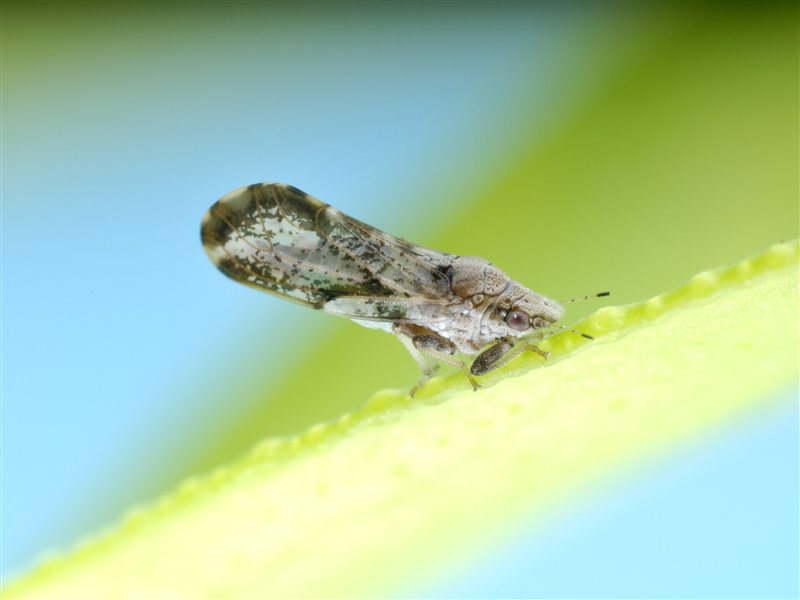
Citrus greening, also called huanglongbing or HLB, is a bacterial disease that affects all kinds of citrus trees. The University of Florida's Florida Citrus Production Guide explains that the name means "yellow shoot disease," after the bright-yellow shoots that often appear on an infected tree. The bacterium is spread by a tiny insect, the Asian citrus psyllid, which was discovered in Florida in 1998 and now lives wherever citrus grows in the state. The disease itself was first detected in Florida in 2005, according to the University of Florida.
Citrus greening harms both the tree and its fruit. The UF/IFAS guide says infected leaves show a blotchy yellow pattern called blotchy mottle, and the fruit comes out small and lopsided, slow to color, and often green at one end, with juice that tastes salty and bitter. The disease also damages the roots early, so mature trees slowly decline and become unproductive. Young trees are hit hardest, and in the worst cases they die within one to two years of planting.

Why Have So Many Florida Citrus Farms Closed?
Many Florida citrus farms have closed mainly because of citrus greening, with hurricanes and development making matters worse. The WLRN report names greening, hurricanes, and development pressure as the causes of the acreage decline, and it notes that citrus land is down 75 percent since 2020. Rising costs also play a role, and Rogers says Florida's juice processing industry has shrunk from several dozen plants to about three. Some large landowners are shifting course. Alico, a major grower, is winding down citrus operations to focus on more profitable uses of its land.
Many growers are trying something new. Spectrum News describes a Lake County farm that removed its last orange trees and now grows peaches, blackberries, and sunflowers, and a Volusia County farm where citrus is now about half of its sales, alongside beef cattle and hay. WLRN adds that some growers have begun planting bamboo as an alternative crop.
Why Does Orange Juice Now List Imported Oranges?
Orange juice labels now list imported oranges because Florida no longer grows enough to supply the big brands. WPTV reported in 2023 that Florida's Natural, which once labeled its juice "100% premium Florida orange juice," dropped the word "Florida" from the label in May 2022 after adding juice from Mexico and Brazil. The same report says Tropicana's label lists oranges from the United States and Brazil, and Simply Orange's lists California, Mexico, and Brazil. Florida's Natural said Florida oranges are always its first choice and that the change was a decision the company did not make easily.
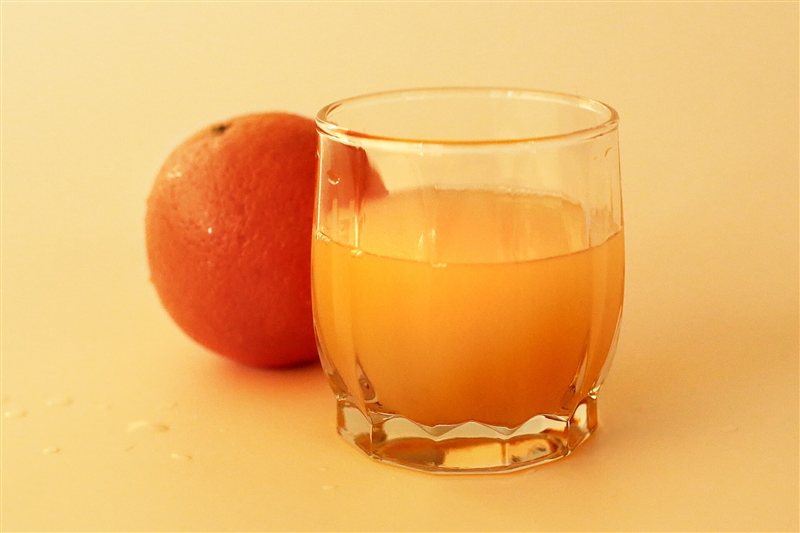
Some smaller brands still use only Florida fruit. The same WPTV report found Natalie's and Indian River Citrus still making juice from 100 percent Florida-grown oranges, though at the time they cost 40 to 80 percent more at local grocery stores. Labels change, so check the carton for the current wording.
What Is Being Done to Bring Back Florida Citrus?
Researchers, growers, and the state are working on several fronts at once. The University of Florida reports that the EPA has approved a new rootstock called CarriCea T1, a root system that grafted trees grow on, which is designed to resist citrus greening and is based on research by UF scientist Nian Wang. The company that developed it, Soilcea, plans to supply more than 300,000 trees, and growers have already ordered that many. The university notes that the path from discovery to market took nine years.
- Resistant rootstockCarriCea T1, approved by the EPA and based on University of Florida research
- Tolerant varietiesUF/IFAS released six greening-tolerant selections in 2025, including five fruiting varieties and a rootstock called Orange 14, though the university says none is fully resistant
- Clean planting materialcertified disease-free trees grown in psyllid-proof nurseries are required in Florida for replanting
- Protecting young treesexclusion netting can shield young trees from psyllids for up to two years
- State fundingthe 2025-26 state budget included $124.5 million for citrus, with $100 million for disease-resistant trees, grove management, and rehabilitating existing trees
Will Florida Orange Groves Ever Come Back?
Florida orange groves can come back if growers find a lasting answer to citrus greening and citrus becomes profitable to grow again. That is the key, according to a Lake County grower quoted by Spectrum News, who said bringing citrus back depends on developing varieties that resist the disease. The pieces are starting to come together, with a resistant rootstock now approved, tolerant varieties released, and state funding for replanting. Matt Joyner, CEO of Florida Citrus Mutual, told News Service of Florida that the industry is unlikely to return to nearly 1 million acres but can operate as a normal commodity with new production practices. Young citrus trees take time to start bearing, so the recovery will be gradual, but every grove replanted with better trees is a step toward a healthier Florida citrus industry.
How Can You Help Florida Citrus?
You can help Florida citrus by buying Florida-grown juice and fruit, and by caring for any citrus trees in your own yard. The most direct step is to read the label and choose juice that says it is made from Florida oranges when you can find it. If you grow citrus at home, the University of Florida runs a program called Citrus in the Home Landscape, which offers guides, training, and a list of greening-tolerant varieties for home gardens, such as the Sugar Belle mandarin and the OLL-4 and OLL-8 sweet oranges. The UF/IFAS production guide adds that certified disease-free nursery stock is essential for replanting, so buy certified healthy trees from a reputable nursery, and that removing infected trees is the only way to stop them from becoming a source of the bacterium.
- Read the juice labellook for wording that says the juice is made from Florida oranges, since many national brands now blend in oranges from other countries
- Buy Florida fruitfresh Florida oranges and grapefruit from groves, farm stands, and grocery stores support the growers who remain
- Plant a tolerant varietychoose a greening-tolerant tree from a participating nursery if you have the space
- Watch your treeslook for blotchy yellow leaves and small, lopsided fruit, and ask UF/IFAS for help if you see them
Read the Carton, and Buy Florida Oranges When You Can
Florida citrus has faced a hard two decades, but researchers have new tools, growers are replanting, and shoppers can help with a few small choices. The next time you buy orange juice, check the label for where the oranges came from, and choose Florida when you can.
If you want to grow your own orange tree, start with your hardiness zone. The 10,000 Trees zone map shows your zone by county, and its pages list the zones where citrus trees can grow, including the sweet orange and the tangerine in zones 9 and 10, and the grapefruit in zones 9 through 11. Once you know which citrus fits your zone, check the nursery tag for the specific variety.
Header photo by Steven Lek (CC BY-SA 4.0), citrus greening leaf photo by the U.S. Department of Agriculture (public domain), psyllid photo by the Florida Department of Agriculture and Consumer Services (public domain), historic grove photo by W. H. Cushing (public domain), and orange juice photo by Yuri Samoilov (CC BY 2.0), all via Wikimedia Commons.