All Common Citrus Descends From These 4 Ancient Fruits
Oranges, lemons, and grapefruit are hybrids of just four ancient fruits. See the family tree and what each ancestor tastes like.
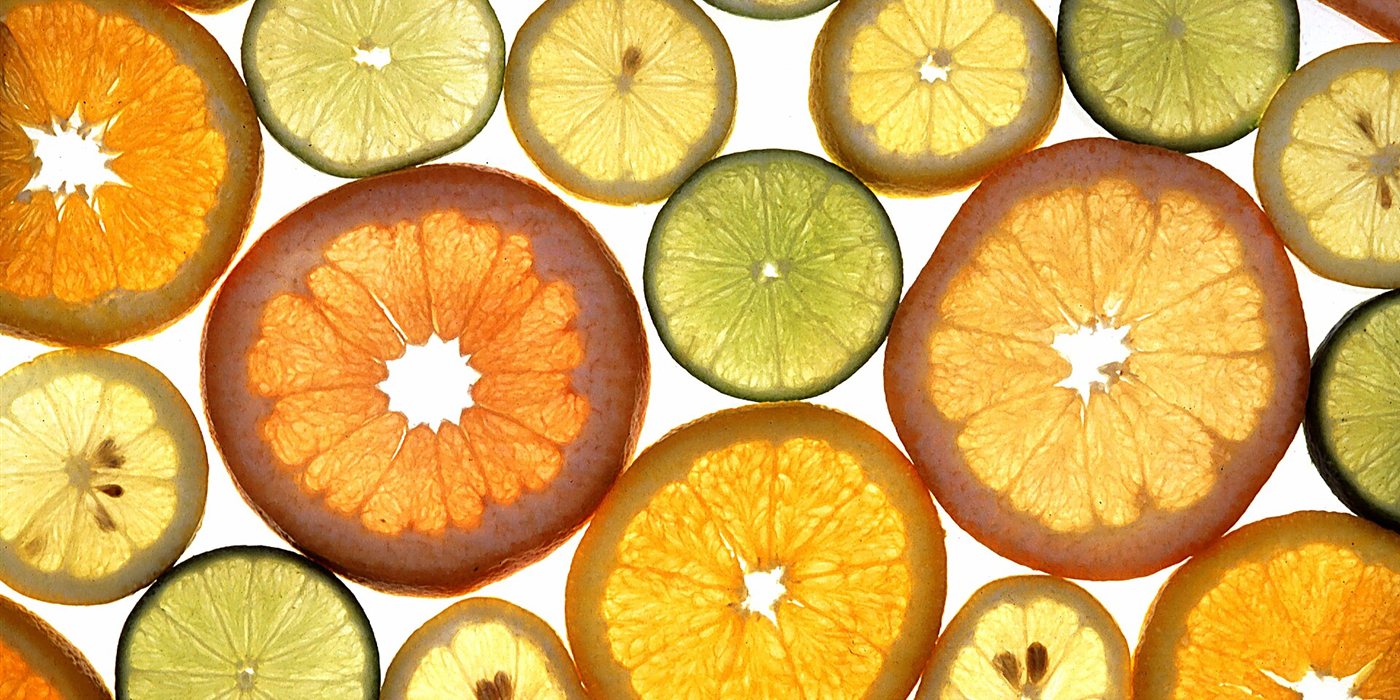
All of the common citrus fruits we eat descend from just four ancient fruits. Sweet oranges, grapefruit, and lemons are not ancient species themselves. They are crosses between a few ancestral fruits. Those four ancestors are the mandarin, the pummelo, the citron, and a wild papeda from the southern Philippines. Here is the citrus family tree, what the ancestors taste like, and why some mandarins have seeds and others do not.
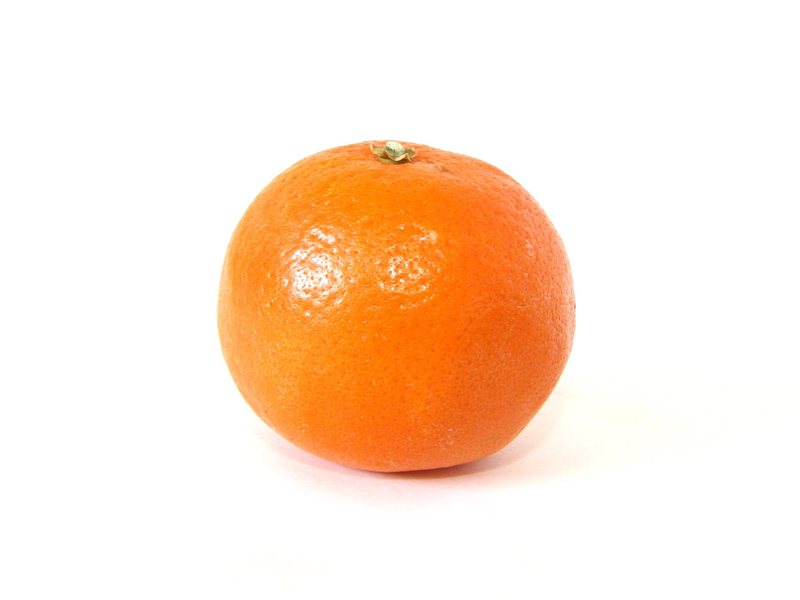
Where Do Oranges and Other Citrus Fruits Come From?
Oranges and other citrus fruits come from a few wild ancestral species that grew in Asia millions of years ago. In a 2018 study in Nature, an international team analyzed complete genome data from 60 citrus varieties and wild forms and identified ten true citrus species. According to the French research institute INRAE, which took part, the main branching happened at the end of the Miocene, about 6 to 8 million years ago, and split the family into eight branches, four of them the ancestral species. Three of the four are the mandarin, the pummelo, and the citron. The fourth is a wild papeda from the southern Philippines called biasong.
What Are Oranges, Grapefruit, and Lemons a Cross Of?
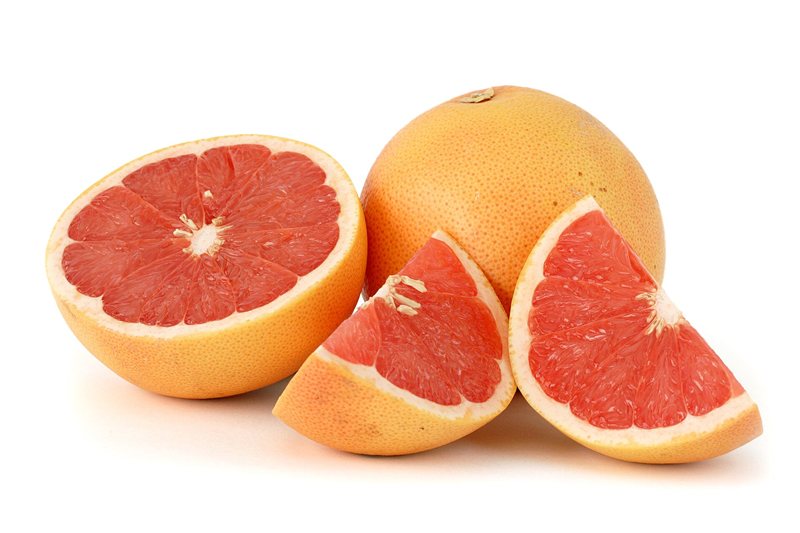
Oranges, grapefruit, and lemons are crosses of those ancestors. INRAE's summary of the study explains that the sour orange is a direct hybrid of the pummelo and the mandarin, that the lemon is a hybrid of the sour orange and the citron, and that the grapefruit is a hybrid of the pummelo and the sweet orange. The sweet orange itself is a complex mixture of mandarin and pummelo ancestry, though researchers say its exact origin is not yet clear. Two kinds of limes, the Rangpur and Mexican limes, are direct hybrids involving the papeda and the citron.
The grapefruit has a particularly interesting history. A review in HortTechnology says that most authorities think the grapefruit arose in the West Indies from chance crosses of the sweet orange and the pummelo during the 17th or 18th century, which makes it a relatively new fruit.
What About Tangerines, Limes, and Kumquats?
Tangerines, mandarins, and clementines are all mandarins, so they come straight from the first ancestor on the tree. Limes are hybrids, like oranges and lemons. A report on the 2018 study says cultivated hybrids come from two or more of the pure species, and INRAE reports that the Rangpur and Mexican limes are crosses of the papeda and the citron.
Kumquats are the exception. The same report lists a type of kumquat among the ten wild citrus species, so kumquats do not descend from the four main ancestors. The same goes for Australian limes. INRAE says a second burst of evolution in Australia about 4 million years ago produced three Australian lime species. That is why the four ancestors account for all of the common citrus we buy at the grocery store, but not every citrus fruit on Earth.
What Do Mandarins, Pummelos, and Citrons Taste Like?
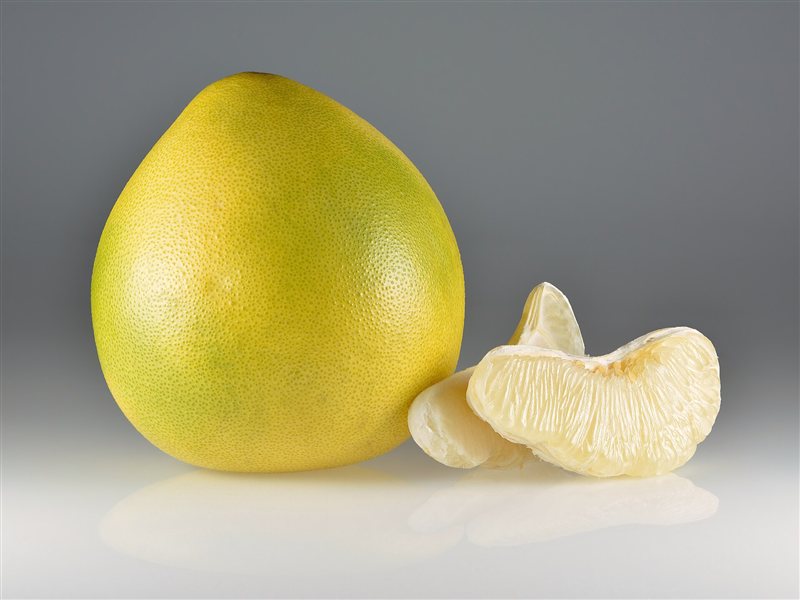
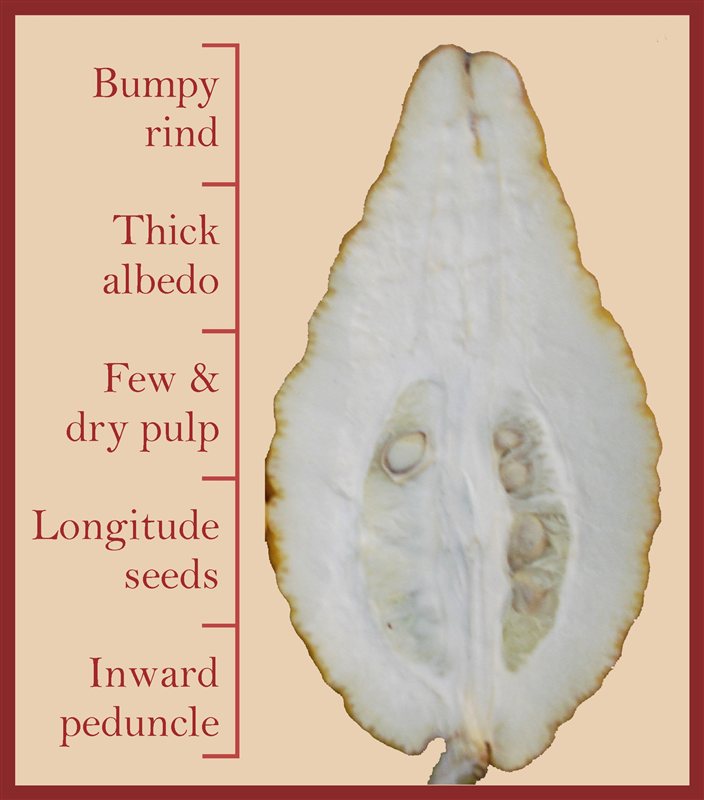
The three main ancestors taste very different from one another. The University of California, Riverside's Citrus Variety Collection describes each one, and the descriptions come from specific varieties kept in its collection. A clementine, which is a mandarin, has deep orange flesh that is tender, juicy, sweet, subacid, and aromatic, with a rind that peels easily. The Chandler pummelo is large to very large with a thick yellow rind, and its flavor is pleasant and sweet, while the Siamese Sweet pummelo is essentially acidless. The citron is a different experience entirely. UC Riverside describes the etrog citron as having a thick, bumpy yellow rind with a violet-like fragrance, and pale yellow flesh that is acidic and not very juicy, with numerous seeds.
- Mandarinsweet, juicy, and easy to peel, with a mildly tart edge
- Pummelobig and thick-skinned, with firm, sweet flesh and little acidity in some varieties
- Citronfragrant and mostly rind, with a little acidic, dry pulp inside
Do Mandarins Have Seeds?
Mandarins can have seeds, and whether they do depends on pollination. The University of California's description of the clementine says its seed count varies from very few to medium depending on cross-pollination, and that in most locations dependable crops require cross-pollination. Some varieties are seedless because they make too little pollen to form seeds. Others can form seeds when bees carry pollen from other citrus trees, so some growers net those trees during bloom and remove the nets after the fruit has set, as Citrus Industry magazine reports. The same thing happens with pummelos. UC Riverside says the Chandler pummelo is seedy when cross-pollinated and seedless when grown in a solid block or near pollen-sterile citrus. If you are curious about the brands, the guide to Cuties, Halos, and Delites covers them.
Peel a Mandarin and You Are Tasting an Ancestor
Every orange, lemon, and grapefruit you eat carries the genes of a few ancient fruits, and the mandarin in your lunch bag is one of those ancestors. The next time you peel a clementine, you are tasting a fruit whose family tree stretches back millions of years. If you want to see how a modern citrus industry is faring, read about Florida's citrus crop and citrus greening.
Header photo by Scott Bauer, USDA Agricultural Research Service (public domain), mandarin photo by ZooFari (public domain), pomelo photo by Ivar Leidus (CC BY-SA 4.0), grapefruit photo from the Citrus paradisi image set (CC BY-SA 2.5), and citron diagram by CitricAsset (public domain), all via Wikimedia Commons.