Can You Eat Acorns? How to Make Acorn Pancakes
Can you eat acorns? Yes, once the tannins are soaked out. Learn how to pick, leach, and grind them, then make a stack of nutty acorn pancakes.

Every fall, oak trees drop free food all over the yard, and most of us just kick it down the sidewalk. Phyllis Krasilovsky's 1981 picture book The Man Who Cooked for Himself tells of a man at the edge of the woods who discovers he does not need the store for good things to eat, and acorns are exactly that kind of food. Yes, you can eat acorns, and yes, you can turn them into pancakes. Here is how people have eaten acorns for thousands of years, and how to take them from the lawn to the griddle.
Can You Eat Acorns?
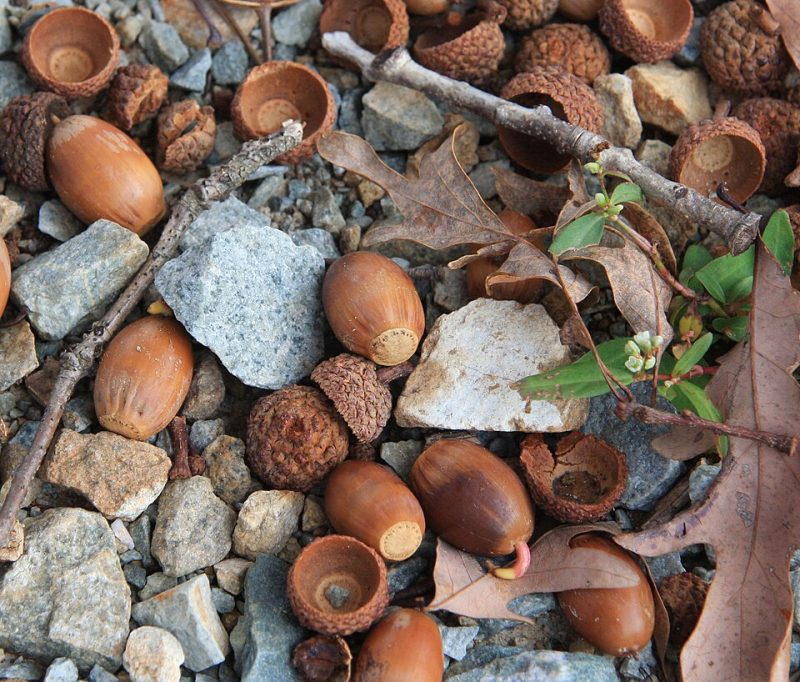
Yes, you can eat acorns once the bitter tannins are soaked out. The Natural History Museum of Los Angeles County explains that the tannic acid in acorns makes them bitter and can upset your stomach, and that soaking them in water removes it. After that, the nuts become a mild, nourishing food. Modern Farmer describes leached acorns as remarkably sweet, with a flavor something like chestnuts.
Who Has Been Eating Acorns?
People on several continents have eaten acorns for a very long time, and in California they were a true staple. The U.S. Department of Agriculture calls acorns historically the most important staple plant food for Native American groups in California's coastal ranges, and it says tribes are estimated to have harvested 500 to 2,000 pounds per family each year. The same guide notes that Native Californians still harvest them today.
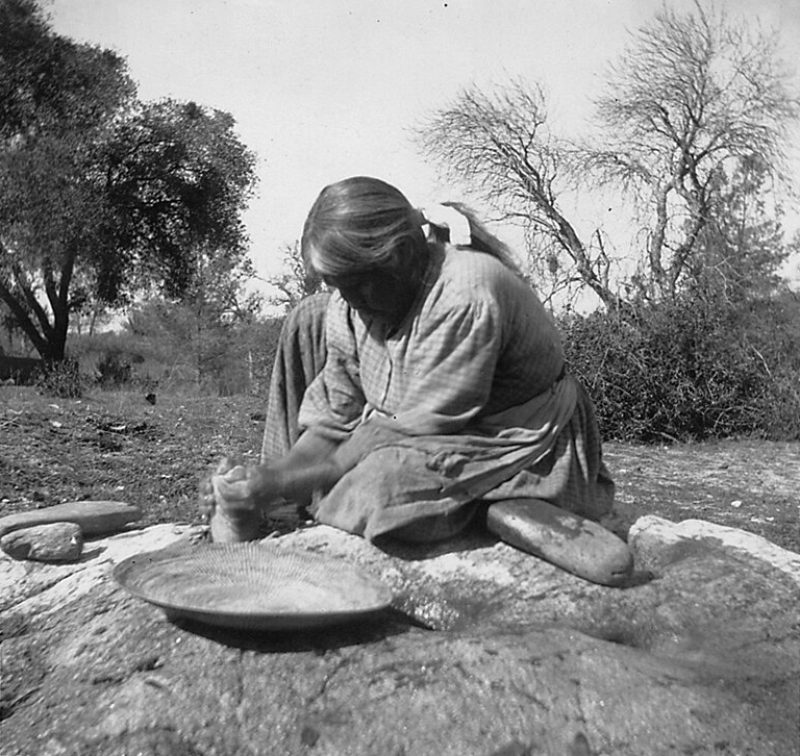
The work of pounding acorns left a mark on California itself. The California State Capitol Museum says women pounded the fall harvest into meal for soup and mush, wearing holes into solid rock over many generations. A family could gather a year's worth of acorns in about three days, according to the museum. The U.S. Department of Agriculture adds that many tribes leached the flour in clean sand basins near streams.

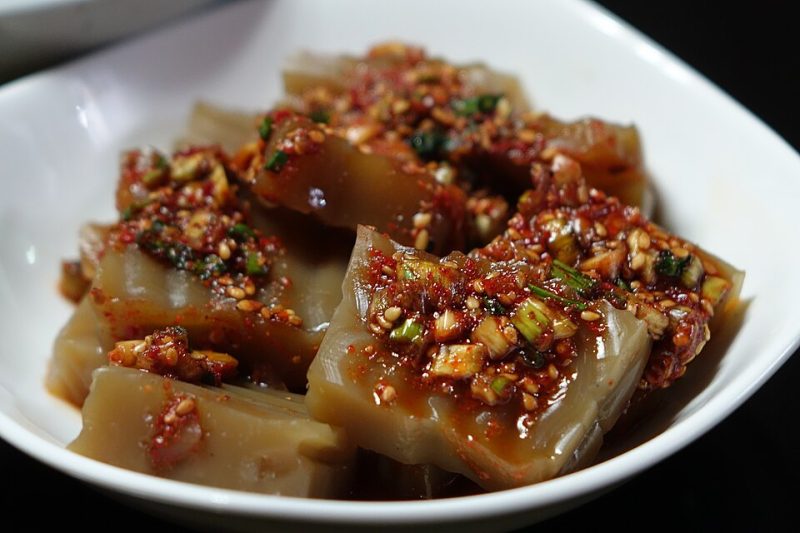
Korea has its own long love of acorns. The Korean Food Promotion Institute says Koreans have eaten acorns since the Neolithic Age, often as a relief food in famine, and that the Goryeosa records a king tasting acorns during a famine out of concern for his people. Acorns live on there as dotorimuk, a soft, savory jelly that the institute calls an autumn delicacy.
Which Acorns Are Best to Eat?
White oak acorns are the easiest to eat, because they carry fewer tannins. The Old Farmer's Almanac says white oak acorns usually taste milder and need less leaching, while red oak acorns take longer. Any oak can work, so start with what you have nearby. Gather brown, mature acorns in fall, away from roadsides and sprayed lawns, and leave plenty for the squirrels. Toss any acorn with a hole, because that usually means a weevil got there first.
How Do You Make Acorn Flour?
Making acorn flour takes patience, but the steps are simple. This outline follows The Old Farmer's Almanac and Modern Farmer.
- Sortskip acorns with holes, cracks, or mold
- Shellcrack them and pull out the nutmeat
- Grindchop or blend the nutmeat coarsely
- Leachsoak in changes of water until mild
- Dryspread thin on trays until fully dry
- Millgrind again for a fine flour
- Storekeep airtight in the refrigerator or freezer
Hot water and cold water both remove the tannins, and the right choice depends on your plans. Hot leaching is quicker, while cold leaching keeps the starch that helps baked goods hold together. This comparison draws on The Old Farmer's Almanac and MeatEater. Either way, let your taste decide when the acorns are done, not the color of the water.
How Do You Make Acorn Pancakes?
Acorn pancakes are regular pancakes with a nutty, toasty twist. This recipe is adapted from Jenna Rozelle's version at MeatEater, which uses equal parts acorn flour and all-purpose flour.
- Acorn flour1 1/2 cups
- All-purpose flour1 1/2 cups
- Baking powder1 3/4 teaspoons
- Salt1 teaspoon
- Eggs2, lightly beaten
- Butter3 tablespoons, melted
- Milk1 cup, plus more as needed
- Cookwhisk the dry ingredients, stir in the wet, and cook on a buttered griddle over medium heat until bubbles form, then flip
Acorn meal varies from batch to batch, so expect to adjust the batter. Earth Eats suggests adding milk if the batter is too thick and flour if it is too thin, aiming for a batter that pours easily without running. Maple syrup and butter are all the topping these need.
What Else Can You Make With Acorns?
Acorn flour works in far more than pancakes. The Natural History Museum of Los Angeles County says cooks add it to bread, tortillas, and soups, where it works as a thickener, and that wheat flour is often mixed in for a more familiar taste. For another side of the humble acorn, take our quiz on which nuts are really nuts. If foraging has your attention, read about the pawpaw, America's forgotten native fruit, Louisiana's edible thistle, and the dandelion, a weed once treasured as food.
Gather a Bucket of Acorns and Fire Up the Griddle
Acorns may be the most overlooked free food in the neighborhood. Fill a bucket this fall, shell them, soak out the bitterness, and treat yourself to a stack of pancakes that started on your own oak tree. The man at the edge of the woods would approve.
Header photo by David Hill (CC BY 2.0, cropped), white oak acorn photo by Dcrjsr (CC BY 3.0), acorn meal photograph from the National Archives (public domain), mortar photo by Uyvsdi (public domain), and dotorimuk photo by 최광모 (CC BY-SA 4.0), all via Wikimedia Commons.