Can You Grow an Apple Tree From a Seed? The Real Story
Apple seeds do not grow the apple they came from. Here is why named apples are clones, and what Johnny Appleseed really planted.
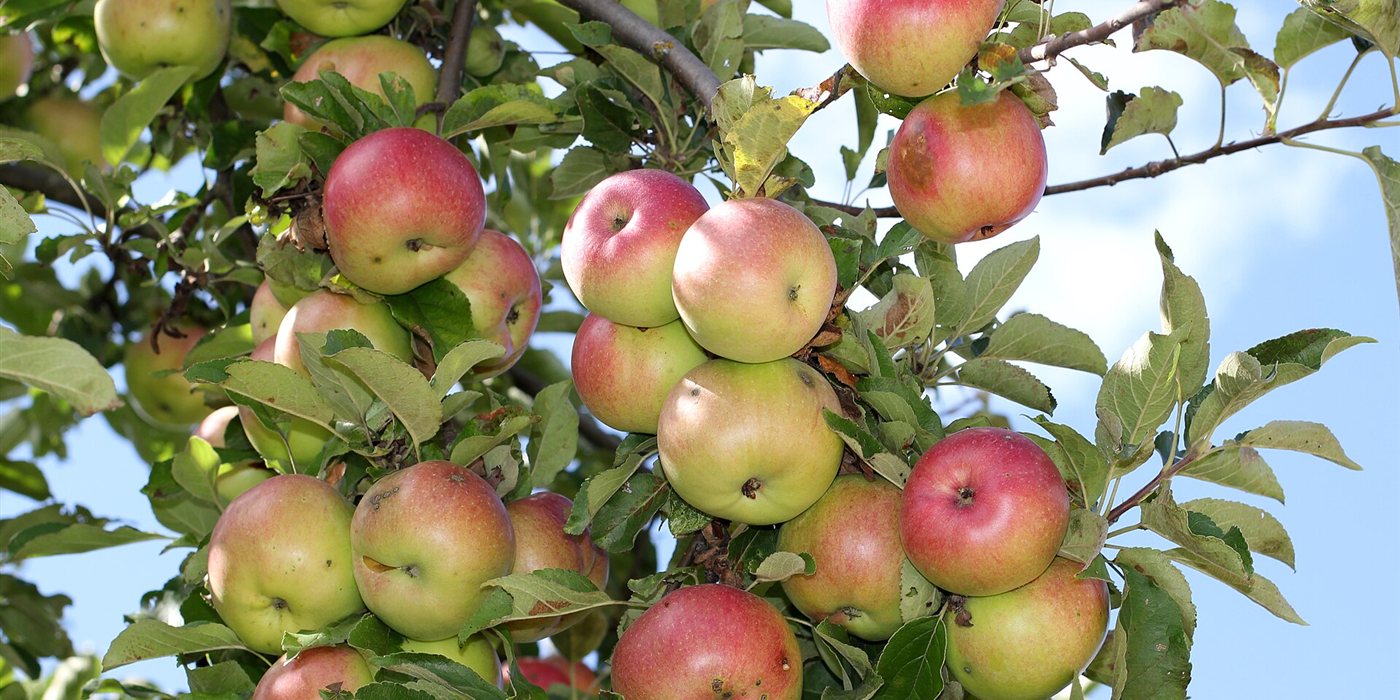
You can grow an apple tree from a seed, but the tree will almost never give you the same kind of apple the seed came from. Plant a Honeycrisp seed, and you will not get a Honeycrisp tree. You will get something brand new, and its apples will probably not taste as good. That surprising fact explains why nearly every apple tree in a commercial orchard is a clone, and it changes how you read the legend of Johnny Appleseed. Here is how it all works.
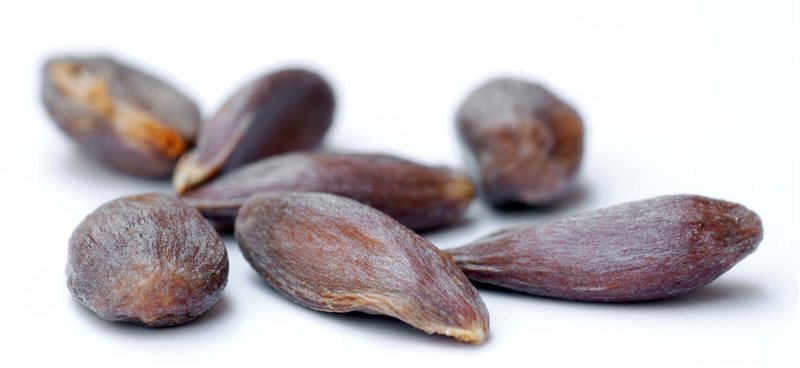
Will an Apple Seed Grow the Same Apple?
An apple seed will not grow the same kind of apple it came from. Iowa State University Extension says plainly in its answer on growing apples from seed that a Red Delicious seed will not grow a Red Delicious tree. Seedling trees are genetically different from the parent and usually inferior, with fruit that likely has poor flavor.
The reason is that apples are highly heterozygous, which means their genes come in many different versions. According to Illinois Extension, apple seedlings therefore do not resemble their parents, and the trees can also grow very tall, up to about 40 feet for a seedling from a Granny Smith. As Discover magazine explains it, every seed is genetically different, so every seedling is unique, much like siblings in the same family. An apple has several seeds, and each one grows into a different tree.
How Are Apple Trees Clones?
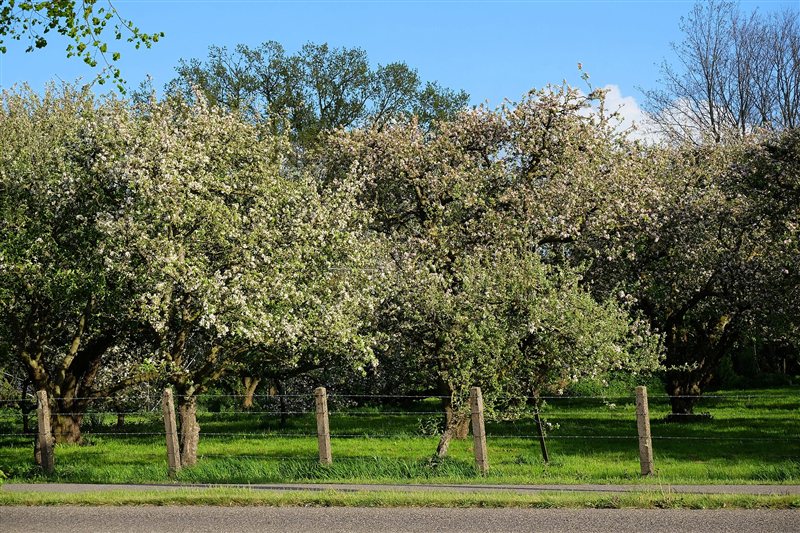
Apple trees in orchards are clones because growers do not plant seeds. They graft. Illinois Extension explains that a named apple variety must be propagated clonally by grafting, meaning a shoot from the variety you want, called the scion, is joined to a rootstock that supplies the roots. The scion forms the trunk, branches, and fruit, so the apples are those of the original variety. Iowa State adds that grafting produces trees that are genetically identical to one another.
- Plant a seedyou get a brand-new tree, with apples that are usually different from the parent and often poor
- Graft a cuttingyou get a copy of the parent variety, grown on a rootstock that influences tree size, disease resistance, and how well it handles your soil and climate
So How Do New Apple Varieties Get Made?
New apple varieties are made by planting seeds on purpose, then waiting a very long time. Discover reports that breeders hand-pollinate flowers to create seeds, grow thousands of seedlings, and then evaluate the trees in orchards, which can take six to seven years before a young tree produces enough fruit to judge. Only the best few are propagated and released. Cosmic Crisp, a cross of Enterprise and Honeycrisp, took about two decades from the first cross to store shelves, which the Washington State University breeder interviewed by Discover calls a fairly standard timeline. Once breeders find a winner, nurseries spread it by grafting, so every tree is a copy.
Did Johnny Appleseed Really Plant Apple Seeds?
Yes, the real Johnny Appleseed did plant apple seeds, but not to hand out sweet snacks. His name was John Chapman, and the Heinz History Center reports that he was born in Massachusetts in 1774 and settled in western Pennsylvania by the 1790s, where his first nursery was planted. Noticing German cider mills near Pittsburgh, he gathered leftover apple seeds from the pressed pulp and sold them to settlers. In 1802, he set out with a canoe full of seeds.
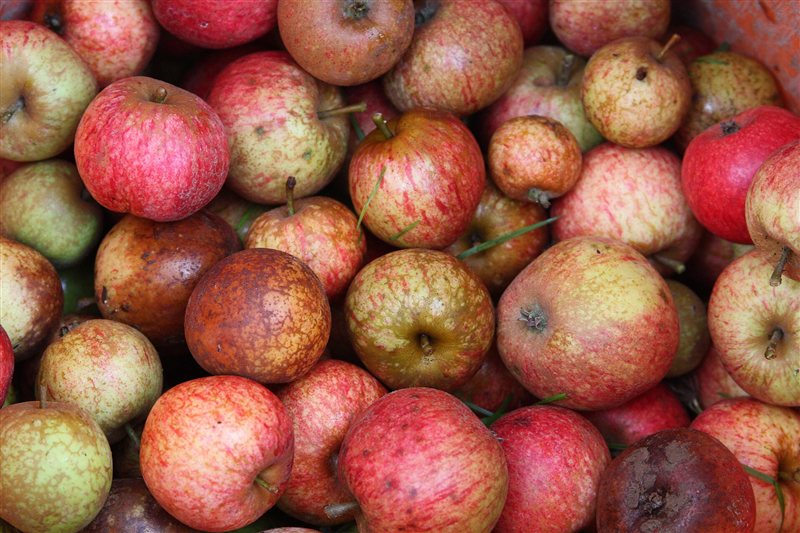
Settlers did not need those apples to taste good fresh, because the trees were valuable for other reasons. American Forests describes Chapman as an astute businessman who planted nurseries ahead of the settlers. Hard cider and applejack were important drinks on the frontier, and could even be used as currency, and an orchard was often a way for settlers to hold a claim to land. Because every seed grows into a different tree, orchards planted from seed produced a mix of apples, and many were probably not ideal for eating fresh. They could still be pressed into cider, which is what made them useful. The legend says Johnny Appleseed wandered the frontier tossing seeds to the wind. The record tells a different story. John Chapman was a businessman. He planted nurseries, and he sold the trees to settlers.
Can You Still Plant an Apple Seed?
You can still plant an apple seed, and it makes a fun experiment. Iowa State notes that apple seeds need a cold, moist period before they germinate, either outdoors over the fall or in a refrigerator for 90 to 120 days, and that seedlings can be transplanted once they reach 12 to 30 inches tall. Expect a one-of-a-kind tree. Illinois Extension warns that it may grow very tall, so give it plenty of space, and the apples may or may not be worth eating. If you want a reliable harvest of a particular variety, buy a grafted tree from a nursery.
Which Apple Trees Will Grow Where You Live?
Before you buy an apple tree, find your USDA hardiness zone, because it tells you which trees will come through your winters. The 10,000 Trees hardiness zone map lets you look up your county, and its page on the orchard apple (Malus pumila) lists hardiness zones 4 to 9 and shows the counties across 33 states where apple trees have been recorded growing. For a specific variety, the nursery tag will list its own zone range, so match it to your zone before you buy. If you want a tree that is native to the lower 48 states, the sweet crab apple grows wild in hardiness zones 5 to 8.
Plant a Seed for Fun and Buy a Grafted Tree for Apples
Planting an apple seed is a great way to meet a one-of-a-kind tree, and buying a grafted tree is the dependable way to get the apples you like. Cloning a tree this way is the same idea behind the bananas in your grocery store. If you enjoy food origin stories, read about why bananas are clones, why carrots are orange, and how yellow watermelon came first.
Header photo by George Chernilevsky (public domain), seed photo by André Karwath (CC BY-SA 2.5), orchard photo by Lendskaip (CC0), and cider apple photo by Mnemosyne3 (CC BY-SA 3.0), all via Wikimedia Commons.