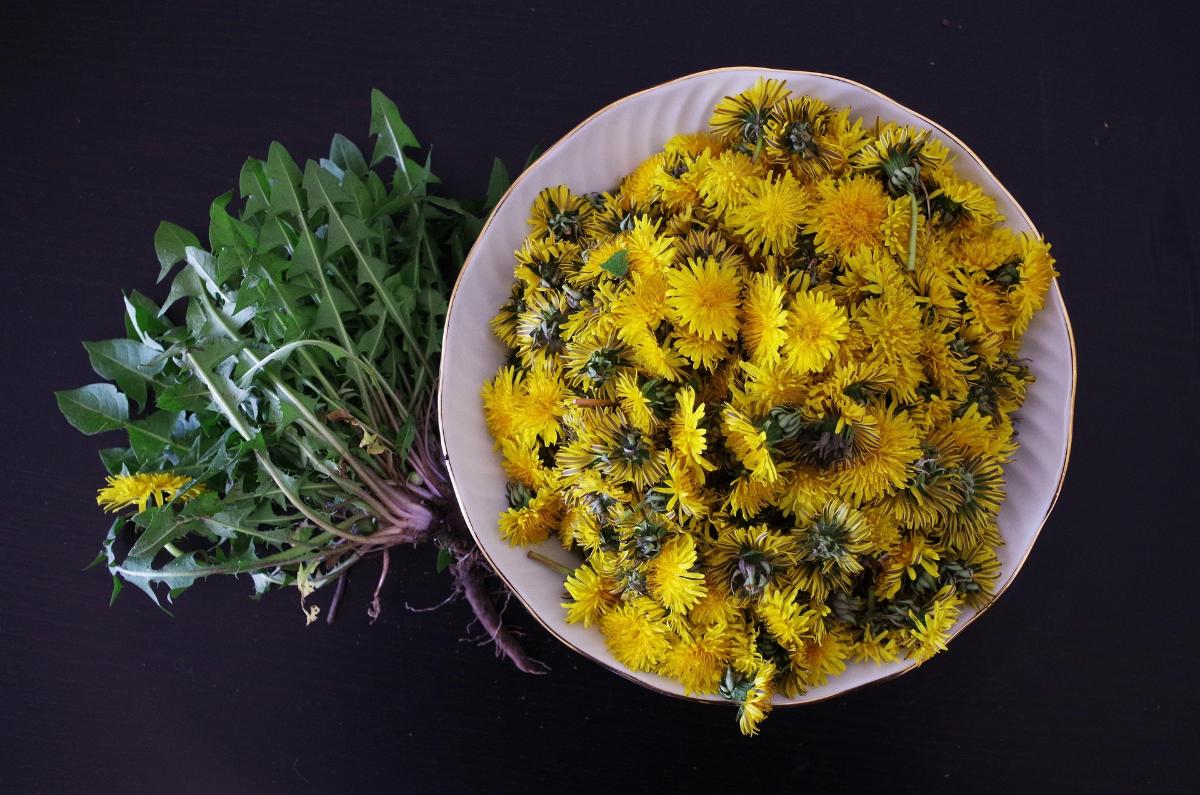
For most of history, the dandelion was food, medicine, and even a morning cup of "coffee." Then we spent 75 years trying to poison it off our lawns. Here's why this free backyard plant deserves a second look.
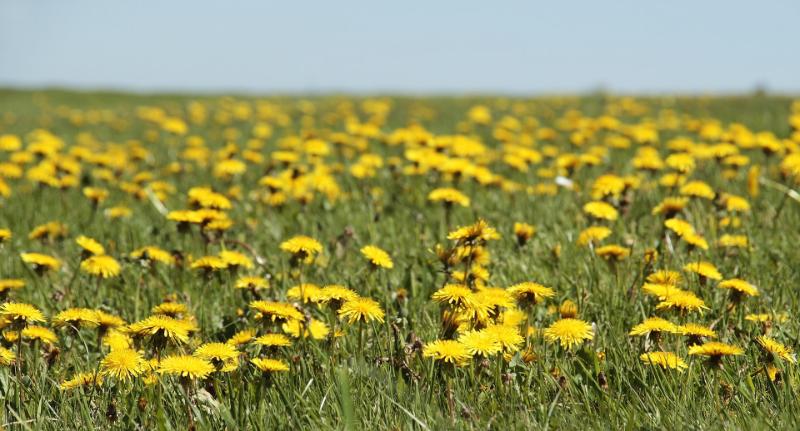
If you grew up before the era of the perfect suburban lawn, you probably remember yards dotted with yellow dandelions every spring, followed by the white puffballs every kid blew into the wind. Today, in many neighborhoods, a single dandelion is treated like an emergency. Between thick turf grasses and decades of "weed and feed," dandelions have been all but pushed out of the manicured lawns where they once thrived.
That's a real loss, because for most of history the dandelion wasn't considered a weed at all. It was one of the most useful plants a family could have: a free source of fresh greens, a traditional remedy, and even a substitute for coffee.
Dandelions Were Brought Here on Purpose
Dandelions aren't native to North America. They came from Europe and Asia, and they didn't arrive by accident. According to the Missouri Department of Conservation, dandelions were introduced to North America in the early 1600s, reportedly as seeds aboard the Mayflower, and were planted as a food crop. In other words, early settlers considered the dandelion so valuable that they packed it for a voyage across the ocean.
That reverence goes back centuries. The dandelion's scientific name, Taraxacum officinale, is a clue: officinale was the label given to plants stocked in apothecary shops as official medicines. Natural health pioneer Jethro Kloss traced the plant's healing tradition all the way back to the Saxons in his classic 1939 herbal handbook Back to Eden (paperback | Kindle), describing how Saxon parents took their children into the fields to teach them the healing uses of dandelion and other common wayside herbs. (p. 60)
It Used to Be a Spring Ritual
For generations of Americans, gathering dandelions was simply a part of spring. After a long winter of root cellars and preserved foods, tender dandelion greens were one of the first fresh vegetables of the year. The Missouri Department of Conservation notes that old-time Ozarkers roasted and brewed dandelion roots as a "spring tonic," and Missourians still enjoy the greens in fresh salads or with a warm sweet-and-sour dressing.
Kloss shared that faith in the humble dandelion. He considered dandelion greens one of the healthful vegetables everyone should eat (p. 288), and when he compiled his list of herbs for preventing disease, he put "dandelion and dandelion greens" right alongside garlic and lemon juice. (p. 260) In Back to Eden, the dandelion comes up more than 40 times.
The tradition ran deep in American culture. The Pennsylvania Dutch served dandelion salad with a warm bacon dressing. Italian American families foraged for greens in vacant lots and along roadsides. Homemakers brewed dandelion wine from the yellow flowers, a tradition so tied to small-town life that Ray Bradbury named his nostalgic 1957 novel Dandelion Wine after it. Vineland, New Jersey, still calls itself the "Dandelion Capital of the World," and New Jersey Monthly reports that the town has celebrated its commercial dandelion harvest with an annual dandelion dinner since the 1970s.
The Nutrition Numbers Back It Up
Our great-grandparents had good reason to prize the dandelion. According to the USDA's FoodData Central database, a single cup of chopped raw dandelion greens contains more than three times the recommended daily value of vitamin K, along with a healthy dose of vitamin A, vitamin C, calcium, iron, and potassium. Few greens at the grocery store can match that, and most people spend money trying to kill this one.
Long before anyone could measure vitamins in a lab, Kloss was praising the dandelion's rich "nutritive salts," which he believed purified the blood. (p. 123) He recommended eating the young leaves just like spinach or tossing them into fresh salads, which is still the best way to enjoy them today.
A Gentle Tonic, Not a Miracle Cure
Dandelion is often sold today as a supplement for digestion and "detox," but the science is still thin. The National Institutes of Health's National Center for Complementary and Integrative Health says very little is known about dandelion's effects on human health, and there's no compelling scientific evidence for using it to treat any specific condition.
There are some promising signs, though. Dandelion's best-known traditional use is as a diuretic, something that increases the flow of urine, and a small 2009 pilot study published in the Journal of Alternative and Complementary Medicine found that volunteers did urinate more often after taking a dandelion leaf extract. Kloss relied on dandelion for exactly this purpose, recommending it for kidney and bladder troubles. (pp. 123-124)
Kloss also considered the dandelion a gentle tonic for the liver and digestion, calling it "one of the old well-known remedies" for stimulating bile and acting as a mild laxative. (pp. 123-124) That's how we'd suggest thinking of it too: not as a cure for anything, but as a nourishing traditional food and tea that generations of people have turned to for a little springtime reset.
Free Coffee, Growing in the Yard
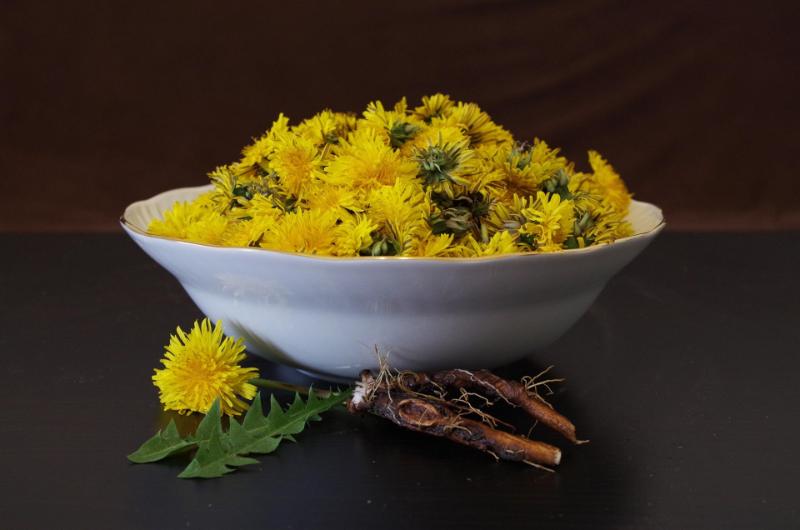
Here's a dandelion use every frugal household should know: the roots make a surprisingly good coffee substitute. Roasted and ground, they brew into a rich, earthy, caffeine-free drink. The Missouri Department of Conservation confirms that dandelion roots have long been used as a coffee and chicory substitute, and Kloss called roasted dandelion root "an excellent substitute for coffee," especially for people with indigestion. (p. 124) When coffee was scarce or too expensive, families brewed it out of their own backyards.
How the Lawn Won
So how did such a useful plant become public enemy number one? In short, the American lawn.
Before World War II, keeping a lawn free of dandelions meant endless hours of pulling them by hand. Then, in 1945, the American Chemical Paint Company introduced a weed killer called Weedone, made from a chemical called 2,4-D. As PBS SoCal explains, it was the first herbicide on the market that killed broadleaf plants like dandelions, clover, and plantain while leaving lawn grass unharmed. Suddenly, a perfectly uniform lawn was within reach of the average household, and a dandelion in the yard became a sign of a lazy homeowner. According to the EPA, 2,4-D has been used on lawns since the 1940s, and it remains a common ingredient in lawn herbicides today.
As millions of families moved into new suburban homes after the war, "weed and feed" products made it easy to fertilize the grass and kill dandelions in a single step. Within a generation, the dandelion went from a free spring vegetable to a nuisance. Dandelions are still plenty common in fields, parks, and along roadsides, but in many residential neighborhoods they've all but vanished from the lawn.
Interestingly, Kloss believed the wild dandelion was the most powerful kind. Writing before the lawn-care boom, he warned that the medicinal properties of the wild dandelion are "almost entirely lost" when the plant is cultivated. (p. 64) To him, the dandelion growing freely in a field or yard wasn't a pest. It was the best version of the plant.
The Dandelion Comeback
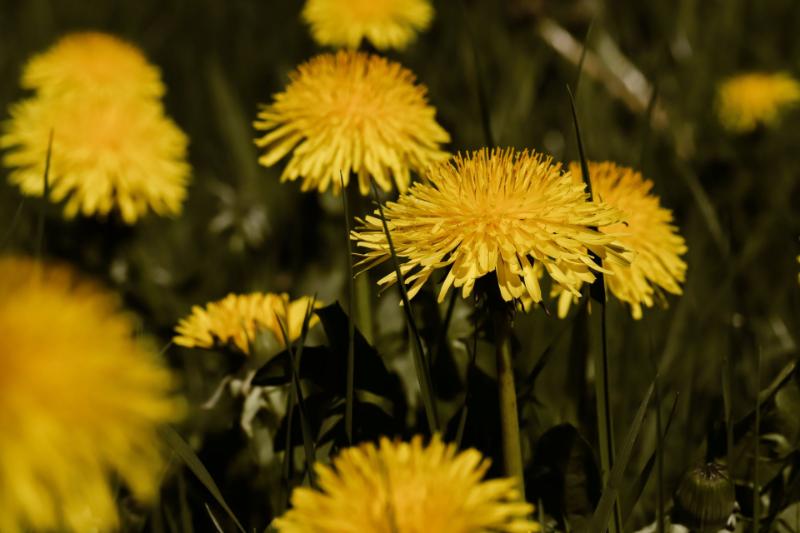
Lately, the tide has started to turn. Dandelions are one of the first flowers to bloom in spring, and the Missouri Department of Conservation notes that they provide nectar and pollen to a wide variety of bees, butterflies, and other insects. The University of New Hampshire Extension adds an important nuance: dandelions matter most for pollinators in neighborhoods with few other flowers, so they work best as one part of a diverse, pollinator-friendly yard.
Movements like "No Mow May" now encourage homeowners to let their lawns grow a little wild in the spring, and foraging has made a big comeback thanks to classics like Euell Gibbons' Stalking the Wild Asparagus.
How to Use Dandelions Today
Eat the greens: Harvest young leaves in early spring, before the plant flowers, when they're the most tender and least bitter. Toss them into salads, or sauté them with garlic and olive oil like spinach.
Make dandelion "coffee": Dig up the roots in the fall, scrub them well, chop them into small pieces, and roast them in the oven until dark brown and fragrant. Grind and brew like coffee. A stand-up weed puller makes digging out those long taproots much easier. If you don't have a clean source of dandelions, you can buy roasted dandelion root tea or a ready-made coffee alternative like Dandy Blend.
Brew a dandelion tea: Steep about a teaspoon of dried dandelion root or leaf in a cup of boiling water, the same simple method Kloss used for most of his herbal teas. If you'd rather take it as a supplement, Nature's Way Dandelion Root capsules are a popular option.
Try the flowers: The Missouri Department of Conservation suggests adding dandelion flowers to pancake batter, frying them into fritters, or fermenting them into homemade dandelion wine.
Grow your own: If herbicides have wiped out the dandelions in your neighborhood, plant them on purpose in a garden bed or container with dandelion seeds. (Just don't tell your neighbors.)
A Few Words of Caution
Never harvest dandelions from lawns, parks, or roadsides that may have been sprayed with herbicides or pesticides, or that are exposed to car exhaust and pet waste. If you're not sure, skip it.
According to the NIH, dandelion is likely safe in the amounts normally eaten as food, but less is known about larger medicinal doses. Some people with eczema may have an allergic reaction to dandelion on the skin, and people allergic to ragweed, daisies, marigolds, or chrysanthemums may be at risk as well. Dandelion may also interact with diabetes medications, blood thinners, and diuretics ("water pills"), so talk to your doctor before using it medicinally if you take any medications, are pregnant or breastfeeding, or have kidney or gallbladder problems.
The dandelion may be the most overlooked plant in America: free, nutritious, and growing (wherever we let it) right outside our front doors. Our great-grandparents knew its value, and natural health pioneers like Jethro Kloss made sure it was written down. Maybe it's time we stopped poisoning the dandelion and started picking it again.