Is Canned Pumpkin Really Pumpkin? The Tan, Oblong Truth
Canned pumpkin often comes from a tan, oblong variety, not the round orange pumpkin you picture. See what's in the can and what the FDA allows.

The pumpkin in a can of pumpkin puree is probably not the round, orange pumpkin you are picturing. Much of the canned pumpkin in America comes from a large, tan, oblong variety that looks a lot more like a butternut squash than a jack-o'-lantern, and federal rules allow it to be called pumpkin. Here is what is really in the can, why it is not the carving pumpkin from your porch, and what to look for on the label.
What Pumpkin Is Really in the Can?
The pumpkin in many cans is a pale, often elongated variety called the Dickinson. A 1990 report by The Christian Science Monitor's Scott Pendleton from Morton, Illinois, describes Libby's pumpkins as the Dickinson variety, grown under contract, large and pale, with a color "somewhere between cantaloupe and peach," and often elongated. According to the report, Libby acquired the Dickinson canning plant and the exclusive rights to the variety in 1929, and the company claimed a better than 90 percent share of the canned pumpkin market at the time.
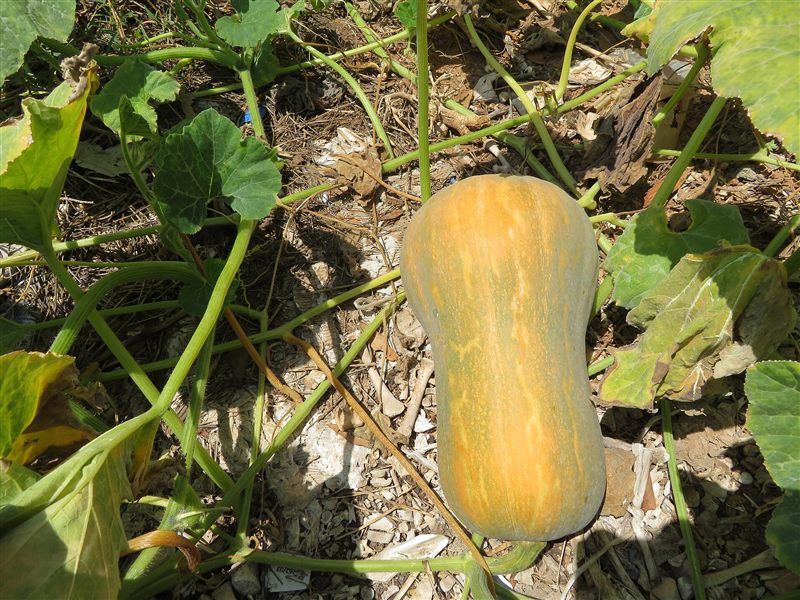
Most of that pumpkin is grown in one small part of the country. Northern Public Radio's report on picking a pumpkin, by Connie Kuntz, says Morton, Illinois, has called itself the "Pumpkin Capital of the World" since 1978, and that nearly 85 percent of the pumpkins grown for processing come from the Morton area. Grant McCarty, a local foods and small farms educator with the University of Illinois Extension, told the station that processing pumpkins look more like winter squash than like jack-o'-lantern pumpkins.
Is Canned Pumpkin Legally Pumpkin?
Yes, canned pumpkin is legally allowed to be called pumpkin, even when it is squash. The FDA's compliance policy guide on labeling pumpkin says the agency will accept the word "pumpkin" on labels for articles made from golden-fleshed sweet squash, or from mixtures of that squash and field pumpkin. The guide says FDA has taken that position since 1938 and sees no reason to change it without evidence that the term misleads consumers.
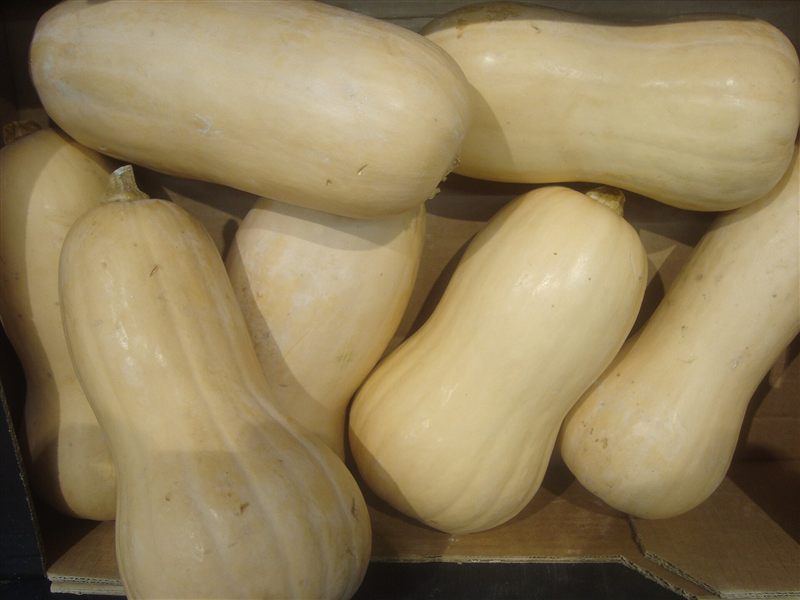
The reason it works is that pumpkins and squash are close relatives, and there is no sharp line between them. NC State Extension's guide to picking pumpkins, by Paige Burns, notes that pumpkins and squash come from several species, and that varieties of Cucurbita moschata are typically buff-colored, broad, and well suited to cooking.
Why Not Use a Jack-o'-Lantern?
A jack-o'-lantern is bred to be carved, not eaten, so it makes a poor pie. NC State Extension's pumpkin-picking guide explains that carving pumpkins have thin walls and relatively little interior flesh, and that they are not the best choice for cooking. Pie pumpkins, also called sugar pumpkins, are bred for cooking and have sweeter, less stringy flesh.
Is Canned Pumpkin as Healthy as Homemade?
Yes, plain canned pumpkin is as healthy as puree you make yourself. NC State Extension's guide says canned pure pumpkin offers the same health benefits as homemade puree, including fiber, vitamin A (as beta-carotene), vitamin C, and potassium. It also advises checking the label, because "pumpkin pie filling" has more salt and calories than pure pumpkin.
Can You Bake With Squash Instead?
Yes, some squash makes a good pie, which is not surprising when canned pumpkin is often squash anyway. NC State Extension's guide says Hubbard squash makes good pie filling, and that varieties of the squashes Cucurbita maxima, such as blue-green and Fairytale pumpkins, are good for pies. If you are planning a holiday dessert, see what comes on Aldi's under-$39 Thanksgiving list, which includes the ingredients for a pumpkin pie. For more garden ideas, read about the Three Sisters method of growing corn, beans, and squash.
The Label Says Pumpkin, and the Pie Is Still Delicious
The pumpkin in a can is a tan, oblong, squash-like variety, and that is perfectly fine for pie. It is allowed by an FDA policy in place since 1938, and plain canned pumpkin is a fine, healthy choice for pie. Check the label for pure pumpkin, bake your pie, and save the round orange pumpkin for the front porch.
Header photo of pumpkins by Andrew Branch (CC0), butternut squash on the vine photo by Juan Emilio Prades Bel (CC BY 4.0), and butternut squash crate photo by Juan Emilio Prades Bel (CC BY-SA 4.0), all via Wikimedia Commons.