Shrinkflation: How Shrinking Packages Drain Your Wallet
Chip bags, cereal boxes, and juice bottles keep getting smaller. See before-and-after sizes and prices from archived store listings and how to spot it.
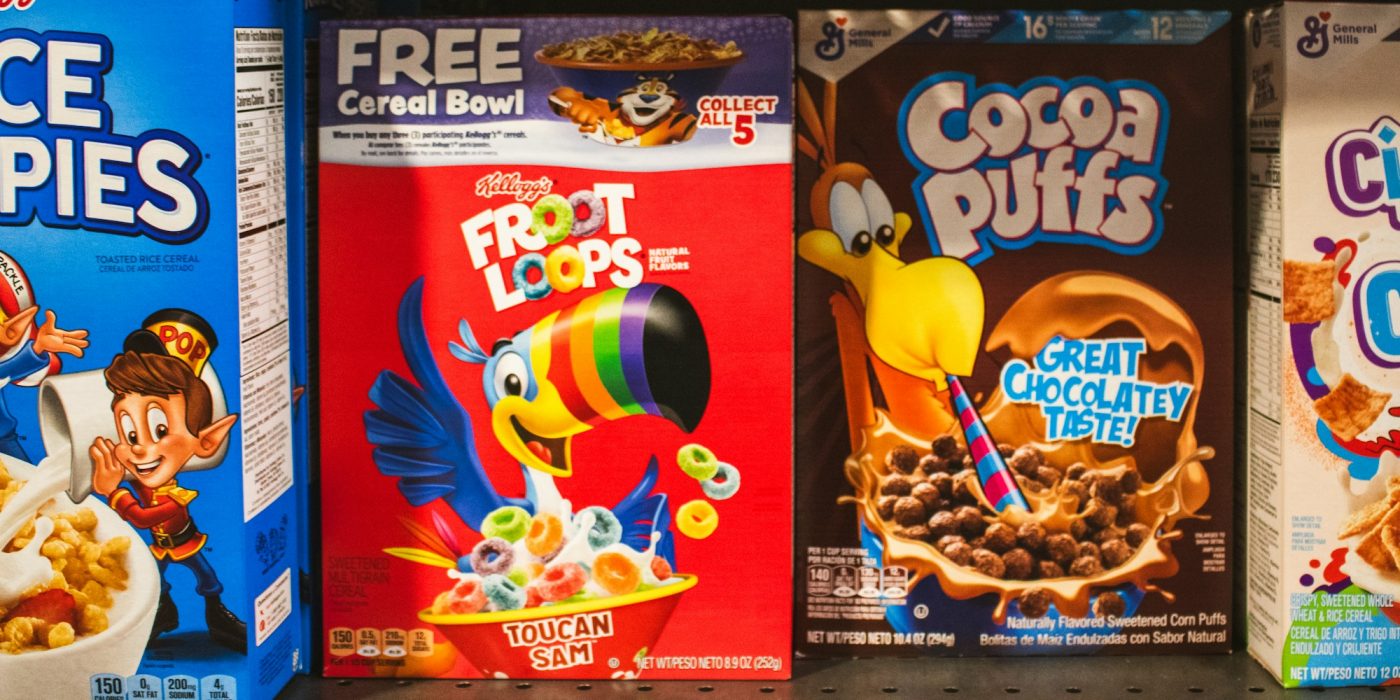
Shrinkflation is a price hike in disguise: the package gets smaller while the price stays the same or goes up, and nobody tells you. The bag of chips looks the same and the cereal box still says "Family Size," but there is less inside, and the packaging is designed so you will not notice. Thanks to the Wayback Machine, which has been saving copies of store web pages for decades, you can check the record. Below are three everyday groceries traced through old Walmart.com listings, plus how to catch shrinking packages before they reach your cart.
What Is Shrinkflation?
Shrinkflation is a price increase hidden in the package. The U.S. Bureau of Labor Statistics describes it as downsizing, where the price per unit goes up because the amount you buy goes down, and gives the example of a candy bar going from 1.6 ounces to 1.5 ounces at the same price. The Federal Reserve Bank of St. Louis points to Gatorade, whose 32-ounce bottle was redesigned into a 28-ounce bottle at the same price, and to a cousin called skimpflation, where companies cut quality instead of size, like thinner toilet paper sheets.
How Much Smaller Did a Bag of Doritos Get?
A regular bag of Doritos Nacho Cheese has shrunk in steps. An August 2014 Walmart listing sold an 11-ounce bag for $2.88. By May 2015, the bag was 10.5 ounces for $2.86. A September 2021 listing shows a 9.25-ounce bag for $2.98, and by March 2023 that same 9.25-ounce bag cost $4.38.
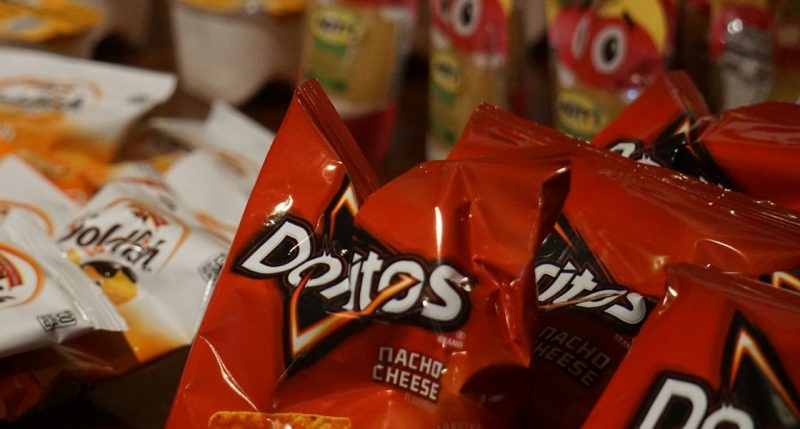
The Doritos bag lost 1.75 ounces, about 16 percent of its chips, while the price climbed. The chart below shows the price per ounce in archived Walmart listings and the current one, worked out from the shelf price and the bag size. Prices vary by store and by week, so each bar is a snapshot, not an average.
Doritos cost about 85 percent more per ounce at the regular Walmart price in November 2026 than in the 2014 listing. The shelf price rose by $1.60, but the smaller bag did a lot of quiet work too. Even the $3.97 Rollback price running that month comes to about 43 cents an ounce, roughly 64 percent above 2014. The 2021 snapshot is the clearest case of shrinkflation: the bag had lost nearly a sixth of its chips, yet it cost just 10 cents more than the 11-ounce bag had seven years earlier.
Frito-Lay, the PepsiCo division that makes Doritos, was doing just fine while its bags got smaller and pricier. In 2022, Frito-Lay North America's revenue grew 19 percent and its operating profit rose 9 percent, according to PepsiCo's year-end earnings report. Higher prices drove nearly all of that revenue growth, while the amount of snacks it sold stayed about flat.
Cereal Boxes Are Getting Thinner
Cereal is one of the easiest places to see shrinkflation, because the box can shrink in a way you barely notice. A box can hold less without looking smaller by getting thinner from front to back while the front stays the same size. Some cereal boxes have gotten so thin they barely stand up on the shelf, yet from the front, the big "Family Size" banner looks just as generous as ever.
Cinnamon Toast Crunch shows the pattern. Walmart sold a 20.25-ounce box for $3.98 in July 2015. By June 2020, the big box was a 19.3-ounce "Family Size" for $3.64, and by June 2024 the "Family Size" box held 18.8 ounces and cost $4.93. The same box in November 2026 had a regular price of $4.97. The regular box slipped too, from 12.2 ounces to 12 ounces.
The big Cinnamon Toast Crunch box lost about 7 percent of its cereal over those archived listings, and the unit price shows what that really cost. The chart below shows the price per ounce in each listing, worked out from the shelf price and the box size. At the regular November 2026 price, the box cost about 34 percent more per ounce than the 2015 box, even though its shelf price was only 99 cents higher.
General Mills, the company behind Cinnamon Toast Crunch, topped $20 billion in yearly sales for the first time in its 2023 fiscal year, according to its full-year results. Sales rose 6 percent that year, during the same stretch when the big box kept shrinking.
Kellogg's Froot Loops has shrunk even more than Cinnamon Toast Crunch. Walmart sold a 21.7-ounce Family Size box for $3.98 in April 2017. By April 2018, the Family Size box was down to 19.4 ounces for $3.64, and it stayed at that size and price into 2022. A July 2024 listing shows a 16.6-ounce Family Size box for $4.48, and the same box cost $4.98 in November 2026.
The Froot Loops Family Size box lost 5.1 ounces, nearly a quarter of its cereal, and still carries the same "Family Size" label. The chart below shows the price per ounce in each Walmart listing. The 2026 box cost about 64 percent more per ounce than the 2017 box, even though its shelf price was only a dollar higher.
Kellogg's sales grew while its boxes got smaller. In 2022, the year before it spun its North American cereal business off as WK Kellogg Co, Kellogg's sales rose 8 percent, "driven by double-digit price/mix in all four regions," according to its full-year results. Those higher prices more than made up for a drop in how much it sold.
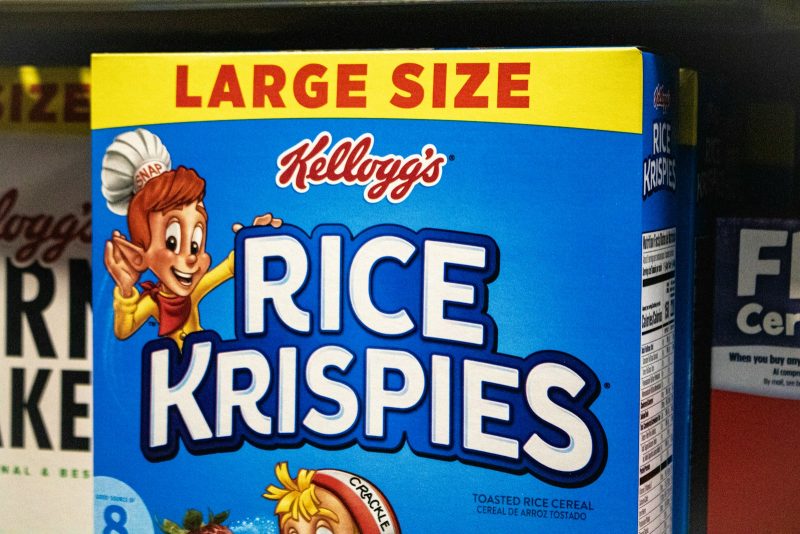
Cereal brands tend to shrink their most popular boxes, so the cuts land in a lot of shopping carts. When the U.S. Government Accountability Office tracked cereal sales over just three years, from 2021 to 2023, the boxes that got smaller were big sellers, together bringing in nearly one of every 11 dollars spent on cereal.
Less Juice in the Orange Juice Bottle
Tropicana Pure Premium Original No Pulp orange juice has shrunk twice. A June 2017 Walmart listing sold a 59-fluid-ounce carton for $3.33. By October 2020, the juice came in a 52-ounce bottle for $3.28, and in June 2024 that bottle cost $3.94. Then it shrank again, to a 46-ounce bottle with a regular price of $4.34 in November 2026.
Tropicana's shelf price rose about a dollar from 2017 to 2026, but the bottle lost 13 ounces, more than a glass and a half of juice. The chart below shows the price per fluid ounce in each Walmart listing, worked out from the shelf price and the bottle size. The 2026 bottle cost about 67 percent more per ounce than the 2017 carton.
Tropicana had a real reason to charge more. A tree disease called citrus greening has wiped out much of Florida's orange crop, as the story of where Florida's oranges went explains, and scarce oranges make juice cost more. Nobody would blame a juice brand for raising its price when its main ingredient gets harder to grow. The problem is how Tropicana passed the cost along. Instead of an honest price increase, the bottle dropped from 59 ounces to 52 and then to 46, while still looking like the same familiar bottle on the shelf.
Why Do Companies Shrink Packages? To Hide the Price Hike
Companies shrink packages because shoppers notice a higher price and usually miss a smaller package. A price that jumps by 50 cents stands out on a shelf tag, while a bag that drops from 11 ounces to 10.5 ounces says so only in small type at the bottom of the front panel. When costs go up, a brand has two honest options: raise the price and let shoppers decide, or keep the price and earn their loyalty on value. Shrinkflation is the third option, a price increase dressed up so it does not look like one.
Shrinkflation lets a name brand look competitive without being competitive. A store brand or a cheaper rival may sit on the same shelf at a similar price, and the familiar shelf price makes the name brand look like it is holding its own. It is not. It is selling less for the same money and counting on the shopper to compare price tags instead of ounces. Instead of winning on price or quality, the brand wins by making the comparison harder.
Higher prices are understandable. Inflation, crop failures, and shipping problems are real, and most shoppers accept that groceries cost more than they used to. Hiding the increase is a different matter. Odd sizes like a 9.25-ounce bag of chips, an 18.8-ounce box of cereal, or a 46-ounce bottle of juice are hard to compare at a glance, so a package that looks about as big as the one beside it, at about the same price, can hold noticeably less. A strange number on the label is often the only sign that the package was cut down.
Shrinkflation is deceptive by design, and it is never done in the open. A company that shrinks a package does not announce it on the front, no banner reads "now 10 percent less," and the new package keeps the same artwork, colors, and "Family Size" banner as the old one. Cereal boxes get thinner from front to back while the front stays the same size, so the box looks identical from the aisle. The only clue is a smaller number in small print, which is exactly where few shoppers look. A shopper who notices a price increase can choose another brand, but a shopper who never notices the smaller package never gets that choice.
Shrinkflation barely moves the overall inflation numbers. The BLS study found that downsizing changed the overall Consumer Price Index by about 0.01 percent a year from 2015 to 2019, but it mattered much more in a few categories like snacks, baby food, and paper towels. The GAO report found the same pattern for 2019 to 2024. If your cart leans on chips, cereal, and paper goods, you feel it more than the national average suggests.
Shrinkflation is legal as long as the label tells the truth. Federal rules require food packages to show an accurate net quantity of contents on the front panel, and a separate rule bans nonfunctional slack fill, meaning empty space in a package that serves no purpose. Nothing requires a company to tell you the package used to be bigger, and companies almost never volunteer it. Legal is not the same as honest: a package redesigned so you will not notice it holds less is working against the person buying it.
How to Spot Shrinkflation at the Store
The best tool against shrinkflation is the unit price, the small number on the shelf tag that shows the cost per ounce, per count, or per sheet. Unit pricing is not required everywhere. According to GAO, 16 states, the District of Columbia, and two territories had unit pricing laws or regulations as of late 2024, and the National Institute of Standards and Technology publishes a guide that encourages stores to show unit prices clearly. Walmart's online listings, like the archived ones above, show a unit price for most groceries.
Unit prices make a difference. The GAO report points to a study of canned tuna that found shoppers in states with unit pricing cut back on downsized products 30 to 84 percent more than shoppers in states without it. The checklist below covers the habits that catch shrinking packages most often.
- Read the unit pricecompare cost per ounce, not the shelf price
- Check the net weightit sits at the bottom of the front panel
- Look at the box from the sidea thinner box is easy to miss head-on
- Watch for "new look" packaginga redesign is a common time for a size change
- Count the sheetspaper towels and toilet paper shrink by the sheet
- Compare the store brandcheck its unit price on the same shelf
- Snap a photo of your favoritesa picture of the label makes a later change easy to spot
Store brands are worth a look whenever a name brand shrinks. A store brand sitting next to it often costs less per ounce, and the unit price shows that right away. If you have doubts about quality, read the common myths about store brands and how store-brand ketchups compare.
Let the Unit Price Do the Math
Shrinkflation only works on shoppers who are not looking, because nobody has time to remember how many ounces were in last year's bag of chips. The unit price remembers for you. Glance at it before you grab a familiar box, and the trick falls apart: the shrunken package becomes just another price to compare, and a brand that would rather hide its price than compete on it can lose your business to one that competes honestly. For more on what is happening to big grocery brands, read what Campbell's tells us about struggling name brands and how Del Monte is still on shelves after its bankruptcy.
Historical sizes and prices come from Walmart.com listings saved by the Internet Archive's Wayback Machine, and each link above opens the archived page. The November 2026 prices come from the live Walmart.com listings, using the regular price rather than any temporary Rollback. Header photo of cereal boxes and the Rice Krispies box by Zoshua Colah on Unsplash (second photo), and Doritos bags by Gaining Visuals on Unsplash.